
Why Color Psychology Matters in Restaurant Interior Design
Walk into a fast-food chain and you will likely be surrounded by bold reds and yellows. Step into a fine dining establishment and you will notice deep blues, soft neutrals, or rich earth tones. This is not a coincidence. Color psychology in restaurant interior design is one of the most powerful tools available to restaurant owners, and understanding it can directly impact how long customers stay, how much they order, and whether they come back.
Color sends strong messages that affect a guest’s emotional state, visual perception, and appetite. Different colors evoke different psychological and emotional responses, and restaurateurs who use color strategically gain a real competitive edge.
In this comprehensive guide, we break down exactly how specific colors influence appetite and dining behavior, which palettes work best for different restaurant types, and practical tips you can apply to your own restaurant interior design in 2026 and beyond.
The Science Behind Color and Appetite
Research in environmental psychology and neuroscience has long established that color influences human behavior. In a restaurant setting, this plays out in three main ways:
- Appetite stimulation or suppression: Certain hues trigger hunger signals in the brain, while others reduce the desire to eat.
- Mood and emotion: Colors shape how comfortable, excited, or relaxed a diner feels, which directly impacts how they perceive the food and service.
- Perceived time and space: Warm colors can make a space feel smaller and more intimate, while cool colors create a sense of openness and calm. This affects how long guests stay and how quickly tables turn over.
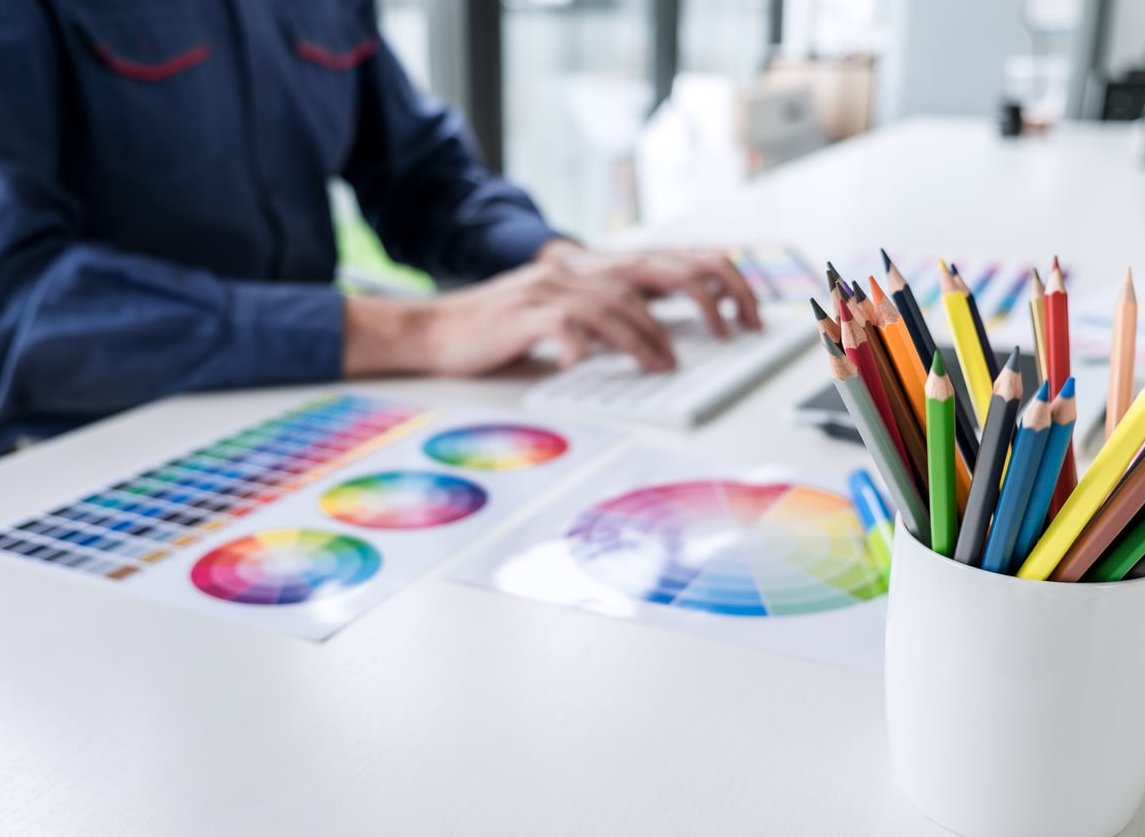
The color wheel, when applied to restaurant design, can be divided into three functional categories based on their effect on appetite: strong stimulants, mild stimulants, and suppressants.
Color Categories: Stimulants vs. Suppressants
| Category | Colors | Effect on Appetite | Best For |
|---|---|---|---|
| Strong Stimulants | Red, Orange, Yellow | Significantly increase hunger and energy | Fast food, casual dining, family restaurants |
| Mild Stimulants | Green, Earth Tones, Warm Neutrals | Gently encourage appetite and comfort | Health-focused restaurants, cafes, organic eateries |
| Suppressants | Blue, Purple, Gray | Reduce appetite, promote calm | Fine dining, cocktail bars, lounges |
Let us now explore each major color in detail and examine how it can be used effectively in restaurant interior design.
How Individual Colors Affect the Dining Experience
Red: The Appetite Powerhouse
Red is arguably the most well-known appetite stimulant. It raises heart rate, creates a sense of urgency, and triggers hunger. This is exactly why so many fast-food brands build their entire visual identity around red.
- Psychological effect: Energy, excitement, passion, urgency
- Appetite impact: Strong stimulant
- Best application: Accent walls, upholstery, signage, and table accessories in casual and fast-casual restaurants
- Caution: Too much red can feel aggressive or overwhelming. Use it as an accent rather than a dominant wall-to-wall color in sit-down restaurants.
Orange: Warmth and Social Energy
Orange combines the appetite-stimulating power of red with the cheerfulness of yellow. It creates a warm, social, and inviting atmosphere that encourages conversation and enjoyment.
- Psychological effect: Friendliness, warmth, enthusiasm
- Appetite impact: Strong stimulant
- Best application: Family restaurants, brunch spots, bistros, and food courts
- Pro tip: Terracotta and burnt orange shades are trending in 2026 and offer a more sophisticated take on this stimulating hue.
Yellow: The Feel-Good Color
Yellow is used in restaurants to create a welcoming environment, sparking feelings of comfort and joy. It grabs attention quickly and has the psychological effect of making diners feel happy and optimistic. However, too much yellow can cause anxiety or visual fatigue.
- Psychological effect: Happiness, optimism, energy
- Appetite impact: Strong stimulant
- Best application: Breakfast restaurants, bakeries, ice cream shops, and food truck interiors
- Caution: Use muted or golden yellows for dining areas. Bright neon yellow can become irritating in large doses.
Green: Freshness and Health
Green is a mild appetite stimulant that strongly communicates freshness, nature, and health. It puts diners at ease and is an excellent choice for restaurants that emphasize organic, farm-to-table, or plant-based menus.
- Psychological effect: Balance, health, tranquility, freshness
- Appetite impact: Mild stimulant
- Best application: Salad bars, vegan restaurants, juice bars, garden-themed eateries
- Pro tip: Combine green with natural wood textures and live plants for a biophilic design approach that enhances the calming effect.
Blue: Calm but Appetite-Suppressing
Blue is interesting in restaurant design because it is one of the most universally liked colors, yet it actively suppresses appetite. There are very few naturally blue foods, so our brains do not associate the color with eating. However, blue excels at creating a calm, sophisticated atmosphere.
- Psychological effect: Trust, serenity, sophistication
- Appetite impact: Suppressant
- Best application: Seafood restaurants (where blue reinforces the theme), upscale cocktail lounges, fine dining where the goal is slow, savored meals
- Caution: Avoid using blue extensively in fast-food or high-turnover environments where you want to stimulate quick eating.
Purple: Luxury with a Caveat
Purple has long been associated with royalty, luxury, and creativity. In restaurant design, deep purples and plums can add drama and exclusivity. However, like blue, purple tends to suppress appetite.
- Psychological effect: Luxury, mystery, creativity
- Appetite impact: Suppressant
- Best application: Wine bars, upscale lounges, dessert-focused restaurants, and themed dining experiences
- Pro tip: Pair purple accents with warm lighting and gold details to counteract the appetite-suppressing effect while maintaining elegance.
Brown and Earth Tones: Comfort and Groundedness
Brown tones, including chocolate, coffee, tan, and walnut, create a grounded, rustic, and comforting atmosphere. They are associated with natural materials and feel inherently connected to food through references to bread, coffee, chocolate, and wood.
- Psychological effect: Stability, warmth, comfort, reliability
- Appetite impact: Mild stimulant
- Best application: Coffee shops, steakhouses, rustic Italian restaurants, pubs, and farm-to-table concepts
White and Neutrals: Clean Slate
White communicates cleanliness, simplicity, and modernity. It is heavily used in minimalist and contemporary restaurant designs. While white on its own does not stimulate or suppress appetite significantly, it acts as a canvas that makes food presentation the focal point.
- Psychological effect: Cleanliness, minimalism, sophistication
- Appetite impact: Neutral
- Best application: Modern fine dining, sushi restaurants, contemporary cafes
- Caution: All-white interiors can feel clinical or cold. Always balance with warm lighting, textured materials, or subtle color accents.
Black: Drama and Exclusivity
Black adds depth, drama, and a sense of exclusivity when used properly. It is a staple in high-end restaurant and bar design, often paired with dim lighting to create an intimate, moody ambiance.
- Psychological effect: Sophistication, power, mystery
- Appetite impact: Neutral to mildly suppressant
- Best application: Upscale nightlife venues, tasting menus, speakeasy-style bars
- Pro tip: Use matte black finishes on furniture and fixtures, and pair with metallic accents such as brass or copper for visual warmth.
Best Color Palettes by Restaurant Type
Choosing the right color scheme depends heavily on your restaurant concept, target audience, and the kind of experience you want to create. Below is a quick-reference guide:
| Restaurant Type | Recommended Primary Colors | Recommended Accent Colors | Goal |
|---|---|---|---|
| Fast Food / QSR | Red, Yellow | Orange, White | Stimulate appetite, fast turnover |
| Casual Dining | Orange, Warm Neutrals | Green, Brown | Comfort, social atmosphere |
| Fine Dining | Deep Blue, Charcoal, Cream | Gold, Burgundy | Sophistication, slow-paced meals |
| Cafe / Bakery | Soft Yellow, Cream, Light Brown | Pastel Pink, Sage Green | Warmth, comfort, lingering |
| Health / Vegan | Green, White | Light Wood, Beige | Freshness, wellness, nature |
| Seafood | Blue, White, Sandy Beige | Coral, Teal | Coastal theme, relaxation |
| Steakhouse / BBQ | Dark Brown, Deep Red | Black, Copper | Richness, warmth, bold flavor association |
| Bar / Lounge | Black, Deep Purple, Navy | Gold, Amber, Neon Accents | Mood, exclusivity, nightlife energy |
7 Practical Tips for Choosing Your Restaurant Color Scheme
Knowing color theory is one thing. Applying it effectively to your restaurant interior is another. Here are actionable steps to guide your decision:
- Start with your brand identity. Your interior colors should align with your logo, menu design, and overall brand story. Inconsistency between your brand and your space creates confusion for guests.
- Consider your lighting conditions. Natural daylight changes how colors appear throughout the day. A warm beige wall might look inviting at lunch but washed out under harsh fluorescent lighting at night. Always test paint samples under the actual lighting conditions of your space.
- Use the 60-30-10 rule. A classic interior design principle: 60% of your space should be a dominant color (walls, floor), 30% a secondary color (furniture, fixtures), and 10% an accent color (decor, table settings, artwork). This creates visual balance.
- Think about table turnover goals. If you want fast turnover (fast food, lunch spots), lean into warm, stimulating colors like red and orange. If you want guests to linger and order more (fine dining, wine bars), use cooler, calmer tones like blue, green, or deep neutrals.
- Do not forget the restrooms. Restrooms are part of the overall experience. Carry your color scheme into these spaces for a cohesive feel. A beautifully designed restroom can leave a lasting positive impression.
- Account for cultural context. Color meanings can vary across cultures. For example, white symbolizes purity in Western cultures but is associated with mourning in some Asian cultures. Know your audience.
- Test before committing. Before painting an entire restaurant, create a mood board or test a small section of wall. Live with the color for a few days under different lighting and with different furniture arrangements before making a final decision.
Trends in Restaurant Color Design for 2026 and Beyond
Color trends evolve, and staying current keeps your restaurant feeling fresh and relevant. Here are the trends shaping restaurant interior design right now:
- Biophilic greens and natural palettes: The connection between nature and well-being continues to drive design choices. Expect to see more sage green, olive, moss, and forest tones paired with raw wood, stone, and living plant walls.
- Warm minimalism: The stark white minimalism of previous years is giving way to warmer neutrals like oatmeal, sand, clay, and mushroom. These colors create sophisticated spaces that still feel inviting and human.
- Terracotta and burnt sienna: These earth tones add warmth and personality without being as aggressive as pure red or orange. They work beautifully in Mediterranean, Latin American, and modern fusion restaurant concepts.
- Moody jewel tones: Deep emerald, sapphire, and plum are being used in cocktail bars and evening-focused restaurants to create immersive, dramatic spaces that photograph beautifully for social media.
- Color blocking and zone design: Instead of using a single color scheme throughout the entire restaurant, designers are creating distinct color zones. For example, a vibrant bar area with bold colors, transitioning to a softer dining room palette. This creates visual interest and allows different moods within a single venue.
The Role of Furniture in Your Color Strategy
It is not just walls and paint that carry your color scheme. Restaurant furniture plays a critical role in delivering your color palette to the guest experience. Chairs, tables, booths, bar stools, and banquettes are all opportunities to introduce color, texture, and visual interest.
Consider these furniture-related color strategies:
- Upholstered seating in rich fabrics can introduce deep accent colors like burgundy, teal, or mustard that are difficult to achieve with paint alone.
- Natural wood furniture brings warmth and earthy tones that complement almost any color scheme.
- Metal-framed chairs and bar stools in black, brass, or copper add industrial contrast and can serve as the accent element in your 60-30-10 ratio.
- Tabletops in marble, terrazzo, or colored laminate can reinforce or contrast with your wall colors for added visual depth.
At furnituredesign24.com, we help restaurant owners find furniture that does more than just seat guests. It completes the design vision. Our collections are curated to match modern restaurant aesthetics, with options in a wide range of colors, materials, and finishes.
Frequently Asked Questions
What is the best color for a restaurant interior?
There is no single best color. It depends on your restaurant concept. For fast-casual restaurants, warm colors like red, orange, and yellow stimulate appetite and energy. For fine dining, cooler tones like navy, charcoal, or deep green create sophistication. The best approach is to match your color scheme to your brand, target audience, and desired dining pace.
Which colors make people hungry?
Red, orange, and yellow are the strongest appetite stimulants. These warm colors increase heart rate and trigger hunger signals. That is why you see them so frequently in fast-food branding and restaurant signage worldwide.
Which colors suppress appetite?
Blue and purple are known appetite suppressants. Blue especially is rarely found in natural foods, so our brains do not associate it with eating. Gray can also have a similar dulling effect on appetite.
Can color really affect how long customers stay in a restaurant?
Yes. Warm, bright colors like red and yellow create a sense of energy and urgency, which can encourage faster eating and quicker table turnover. Cooler, muted colors promote relaxation and encourage guests to stay longer, which is ideal for restaurants where higher per-table spending is the goal.
How does lighting interact with restaurant color choices?
Lighting dramatically changes how colors are perceived. Warm lighting enhances reds, oranges, and earth tones, making them feel richer. Cool or fluorescent lighting can make warm colors appear flat and cool colors appear harsh. Always test your chosen paint and material colors under the specific lighting conditions of your restaurant.
Should my restaurant logo colors match my interior design?
They do not need to match exactly, but they should feel cohesive. Your logo, menu, website, and interior design are all part of a unified brand experience. If your logo is green and earthy, a red and yellow interior would create a confusing disconnect. Aim for harmony across all touchpoints.
What is the 60-30-10 rule in restaurant design?
The 60-30-10 rule is a classic interior design principle. It suggests that 60% of your space should use a dominant color (typically walls and large surfaces), 30% should feature a secondary color (furniture, fixtures), and 10% should be an accent color (decor, small details). This ratio creates a balanced, visually pleasing environment.