
Welcome to
Furniture Design 24
We are a creative agency specializing in graphic design, web design, interior design, and 3D design services. Our team of talented designers thinks outside the box to create beautiful and unique designs that will make your home or office stand out from the rest.
What we do
At Furniture Design 24, we offer high-quality graphic design services to help your business or home stand out from the rest. Our team of talented designers will work with you to create a custom design that fits your needs and budget. We specialize in logo design, web design, and 3D design, so no matter what you need, we have you covered.
If you are looking for a new logo for your business or a complete redesign of your website, we can help. We pride ourselves on our customer service and our ability to think outside the box to create unique solutions for our clients.
If you are looking for a new look for your home or office, we can help.
If you are looking for a new website for your business or a complete redesign of your existing website, we can help.
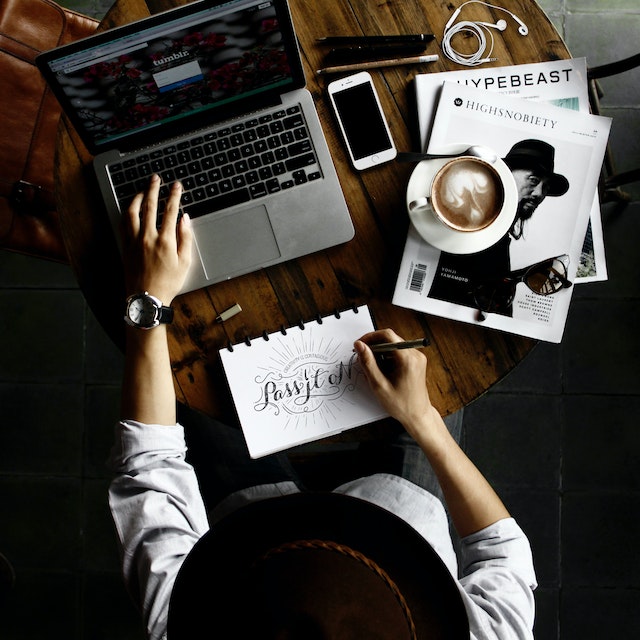
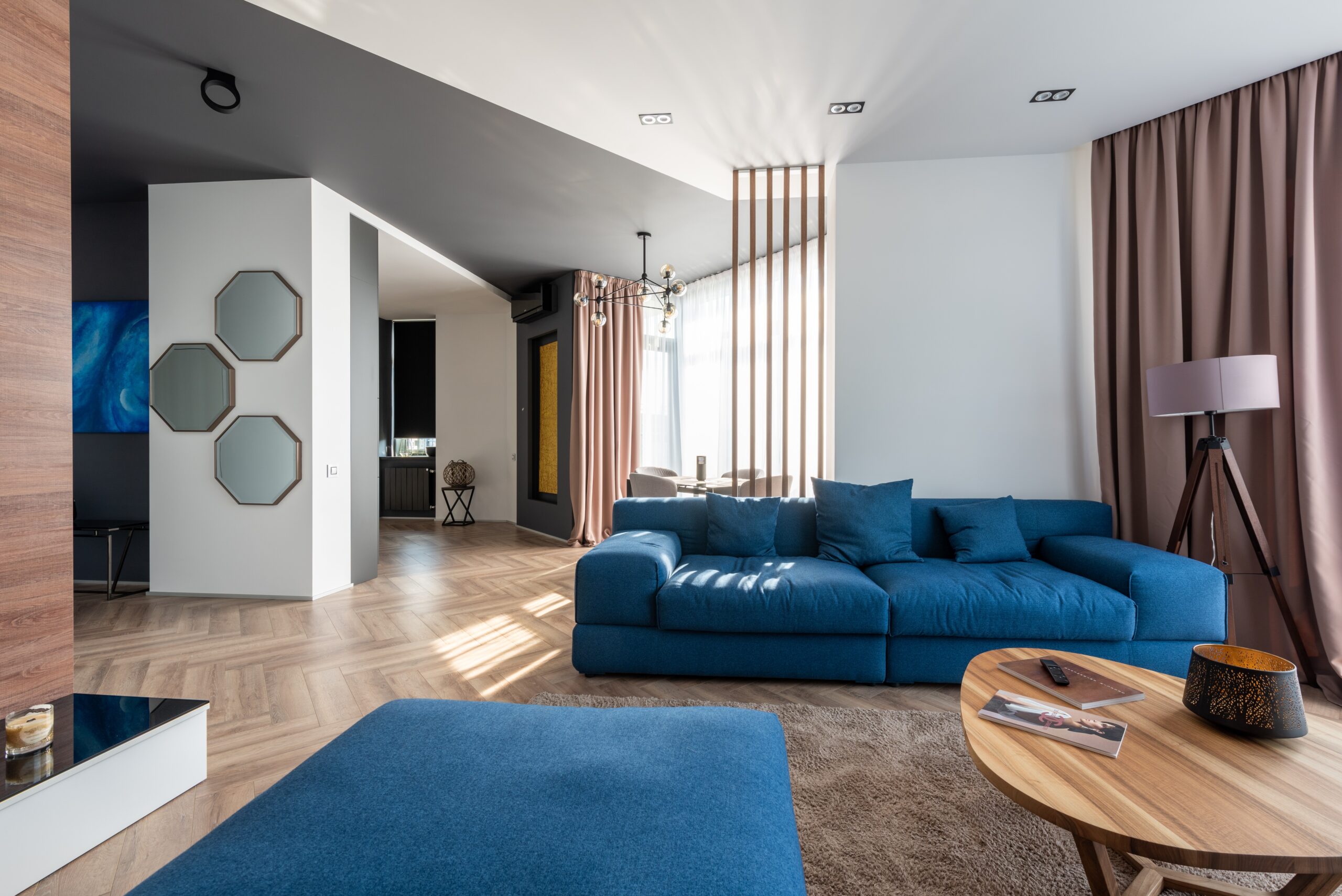
Our company was founded in 2008 by Kathleen J. Hughes, who is an experienced interior designer.
We are based in Grand Prairie, Texas, but our clientele is worldwide. No matter what your budget is, we can work with you to create a custom design that fits your needs and tastes.
If you are looking for a fresh new look for your home or office, please contact us today to learn more about our services. We would be happy to discuss your project with you and provide you with a free quote. Thank you for choosing Furniture Design 24!
Recent Blog Posts
5 Essential Tips for Integrating 3D Design into Your Website
In the digital age, where first impressions are often the last, your website needs to stand out in a sea of flat designs and static content. Integrating 3D design into websites is no longer just a trend—it's a game-changer that can significantly enhance user...
How to Choose the Best Unlimited Graphic Design Service
In today's digital age, the demand for eye-catching and compelling visuals has skyrocketed. Whether you run a small business, a startup, or a large corporation, the need for high-quality graphic design is undeniable. However, hiring an in-house designer or a...
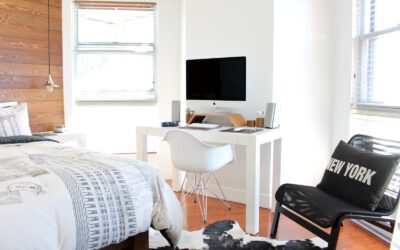
10 Stunning 3D Design Ideas for Small Spaces: Transform Your Home with Virtual Reality
3D design for small spaces is now possible with the steady advance in technology. Your home is no exception, and Tilt Brush was invented in 2016 making it possible to add drawings and designs to your walls using an app. Now there are a lot more apps that have...